Recent Blog Posts
Can Gut Bacteria Help Detoxify Firefighting Foam Chemicals?
Posted on July 25, 2025 in Uncategorized
Can Gut Bacteria Detoxify Firefighting Foam Chemicals?
So, here's the thing: recent discoveries are pointing to the idea that certain gut bacteria might actually help detoxify those pesky "forever chemicals" found in firefighting foam. And that's offering new hope in tackling PFAS contamination. This breakthrough is, understandably, a big deal for firefighters and communities dealing with these stubborn chemicals.

What Are PFAS and How Do They Relate to Firefighting Foam?
PFAS, or per- and polyfluoroalkyl substances, are synthetic chemicals that are pretty much prized for their water and grease resistance. They're widely used in industries, including firefighting foams. Known as "forever chemicals," they just don't go away, leading to widespread contamination. Aqueous Film Forming Foams (AFFF) used in firefighting are a major source of PFAS pollution at training sites and during emergencies.
Continue Reading ››
The Trump Trade War and Its Impact on Firefighting Foam and PFAS Safety
Posted on July 24, 2025 in Uncategorized
How Does the Trump Trade War Impact Firefighting Foam and PFAS Safety?
Look, the intersection of international trade and environmental safety is a pretty big deal, especially when it comes to PFAS chemicals in firefighting foam. Canada's trying hard to regulate these toxic substances, but trade tensions kicked off by former President Trump are making things tricky. And that's concerning. It raises big worries for firefighters and communities because if regulations weaken, public health and the environment could really suffer.

What Are PFAS and Why Are They a Concern?
PFAS, or per- and polyfluoroalkyl substances, are a group of about 15,000 chemicals. They're known for their water and grease-repelling properties. Imagine if you had a stain-proof fabric—kind of like that. Often called "forever chemicals," they stick around in the environment (which, honestly, is pretty alarming) and are linked to health issues like cancer, kidney and liver damage, and hormonal disruptions. Firefighters, unfortunately, face higher risks because these chemicals are used in firefighting foams, leading to significant environmental and health concerns.
Continue Reading ››
Understanding the Impact of Firefighting Foam on Water Safety and Community Health
Posted on July 23, 2025 in Uncategorized
Firefighting Foam's Impact on Water Safety and Health
So, here's the thing: a recent "do not drink" order in Maine because of firefighting foam contamination has, understandably, raised some eyebrows about water safety. This incident? It really shines a light on the pressing issue of PFAS, or per- and polyfluoroalkyl substances, in our environment. Understanding the impact of these chemicals is crucial for public health and safety. And that's concerning.

What Are PFAS and Why Are They a Concern?
PFAS are synthetic chemicals found in a bunch of products, including firefighting foam. They're known for their resistance to heat, water, and oil, making them super effective in Aqueous Film Forming Foam (AFFF) used to tackle flammable liquid fires. But here's the reality: their persistence in the environment leads to contamination and potential health risks. Quite alarming, right?
Continue Reading ››
Suffolk County's Landmark Settlement A New Chapter in the Fight Against PFAS and Firefighting Foam Contamination
Posted on July 22, 2025 in Uncategorized
Suffolk County's Landmark Settlement on PFAS and Firefighting Foam Contamination
So, here's the thing: Suffolk County has made a pretty pivotal move in tackling PFAS contamination, as reported by The Long Island Advance. The Suffolk County Water Authority (SCWA) is set to receive initial payments from a class-action lawsuit settlement with chemical giant 3M. And this settlement? It highlights the pervasive issue of PFAS contamination from firefighting foam, which is a growing concern for environmental and public health. It impacts both firefighters and local communities, and that's concerning.

What Are PFAS and Why Are They Concerning?
PFAS, or per- and polyfluoroalkyl substances, are synthetic chemicals. They're prized for their resistance to water, grease, and stains, making them common in firefighting foam. But here's the kicker: their persistence in the environment and human body has earned them the nickname "forever chemicals." Exposure to PFAS is linked to some serious health issues, including cancer, hormone disruption, and immune system effects. Worrying, right?
Continue Reading ››
3M's PFAS Subpoena and Its Impact on Firefighting Foam Safety
Posted on July 21, 2025 in Uncategorized
In July 2025, a significant event unfolded concerning PFAS contamination, a critical issue for firefighters and the communities they protect. The 3M plant in Cynthiana, Kentucky, was subpoenaed by the Kentucky Energy and Environment Cabinet, as reported by Reuters. This legal action demands an investigation into the alleged release of hazardous substances, including PFAS, from the facility. This development is crucial, especially regarding firefighting foam, which relies heavily on PFAS compounds for its effectiveness. The implications of this subpoena are profound, affecting both firefighters and the communities they serve.

What is PFAS and Why is it a Concern?
PFAS, or per- and polyfluoroalkyl substances, are synthetic chemicals used since the 1940s across various industries. Known as "forever chemicals," they have strong carbon-fluorine bonds, making them resistant to breakdown in the environment and human body. While found in consumer products like non-stick cookware and stain-resistant fabrics, their use in firefighting foam is particularly concerning due to potential health risks.
Continue Reading ››
What Should You Know About PFAS Contamination in Iowa Water?
Posted on July 19, 2025 in Uncategorized
Is Your Water Safe? What You Should Know About PFAS Contamination in Iowa
Water safety is a critical concern across the United States, and Iowa is no exception. The presence of PFAS (Per- and Polyfluoroalkyl Substances) in drinking water is a pressing public health issue. Known as "forever chemicals" due to their persistence in the environment, PFAS pose significant health risks. Understanding PFAS contamination, its effects, and the measures being taken to address it is essential for Iowa residents.

What Are PFAS and Why Are They a Concern?
PFAS are synthetic chemicals that have been used in various industries worldwide since the 1940s. They are found in products like non-stick cookware, water-repellent clothing, and firefighting foams. Due to their chemical structure, PFAS are highly resistant to breaking down, allowing them to persist in the environment and accumulate over time.
Continue Reading ››
Why Did Delaware Sue Over PFAS Firefighting Foam Contamination?
Posted on July 18, 2025 in Uncategorized
Delaware's Legal Battle Against PFAS in Firefighting Foam
Delaware is taking decisive action against the environmental and health threats posed by PFAS (per- and polyfluoroalkyl substances) found in firefighting foam. Known for their persistence, these chemicals present significant risks. Delaware's lawsuit against major chemical manufacturers highlights the state's dedication to protecting its people and natural resources.

What Are PFAS and Why Are They a Concern?
PFAS are man-made chemicals used since the 1940s in products like firefighting foams, non-stick cookware, and water-repellent clothing. Their durability against heat, water, and oil makes them useful but also problematic, as they accumulate in the environment and human body. Exposure to PFAS is linked to health issues such as cancer, liver damage, and immune system problems. The Environmental Protection Agency (EPA) has underscored these risks, advocating for regulatory measures to limit exposure (EPA, 2024).
Continue Reading ››
Are Forever Chemicals in Your Drinking Water Putting You at Risk?
Posted on July 16, 2025 in Uncategorized
Is Your Drinking Water Safe? Understanding the Risks of PFAS Contamination
Per- and polyfluoroalkyl substances (PFAS), often called "forever chemicals," are causing significant concerns for public health and environmental safety. These synthetic chemicals, found in products like non-stick cookware and firefighting foams, have infiltrated drinking water supplies across the National, USA. The resilience of PFAS in the environment and their potential health impacts have alarmed regulatory bodies, researchers, and the public alike.

What Are PFAS and Why Are They in Drinking Water?
PFAS are human-made chemicals used since the 1940s in various industrial and consumer products due to their resistance to heat, water, and oil. Unfortunately, these properties also mean PFAS do not degrade easily, leading to widespread contamination.
Continue Reading ››
East Petersburg Borough's Lawsuit: A New Chapter in Firefighting Foam Contamination and PFAS Exposure
Posted on July 15, 2025 in Uncategorized
East Petersburg Borough's Lawsuit: A New Chapter in Firefighting Foam Contamination and PFAS Exposure
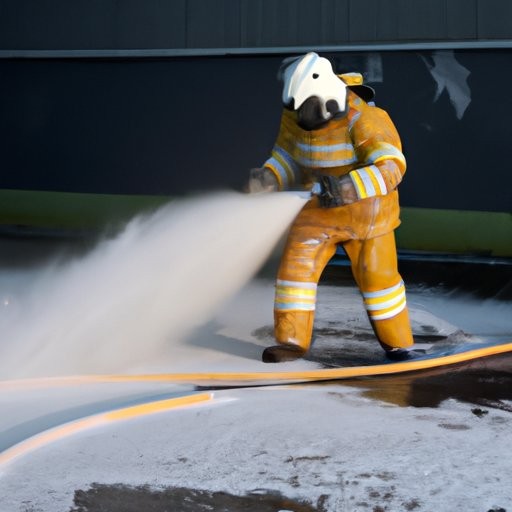
East Petersburg Borough in Pennsylvania is taking decisive action against firefighting foam contamination and PFAS exposure by suing chemical and fire equipment companies. This lawsuit underscores the severe health and environmental threats posed by these "forever chemicals" in public water systems, impacting both communities and firefighters.
What Are PFAS and Why Are They Called "Forever Chemicals"?
Per- and polyfluoroalkyl substances (PFAS) are synthetic chemicals prevalent in many industrial and consumer products, including AFFF (Aqueous Film Forming Foam) used in firefighting. They are labeled "forever chemicals" due to their persistence in the environment and the human body.
Continue Reading ››
What Does a PFAS Settlement Mean for Your Community's Water Safety?
Posted on July 14, 2025 in Uncategorized
Understanding PFAS Settlements and Their Impact on Water Safety
PFAS, or per- and polyfluoroalkyl substances, are a growing concern across the United States due to their persistence in drinking water. Dubbed "forever chemicals," PFAS are associated with health risks such as cancer and liver damage. As legal actions against PFAS manufacturers unfold, it's crucial to understand how settlements impact your community's water safety.
What Are PFAS Settlements?
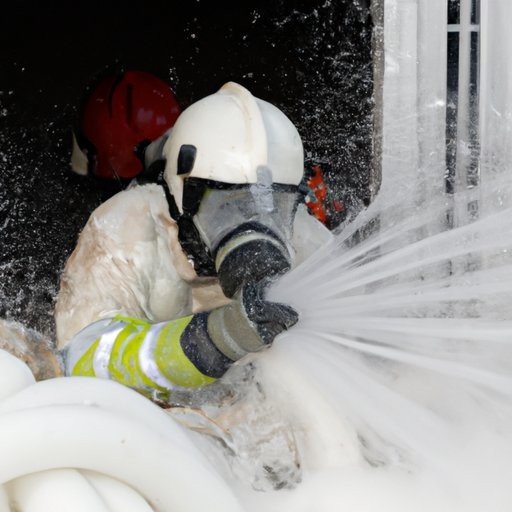
PFAS settlements arise from lawsuits against chemical manufacturers accused of contaminating water supplies. These legal actions allege that manufacturers failed to adequately warn about PFAS dangers or prevent contamination. Settlements can provide financial compensation, fund water treatment technologies, and require manufacturers to reduce PFAS emissions.
Continue Reading ››